RSV is still spreading, prompting states to extend the immunization period
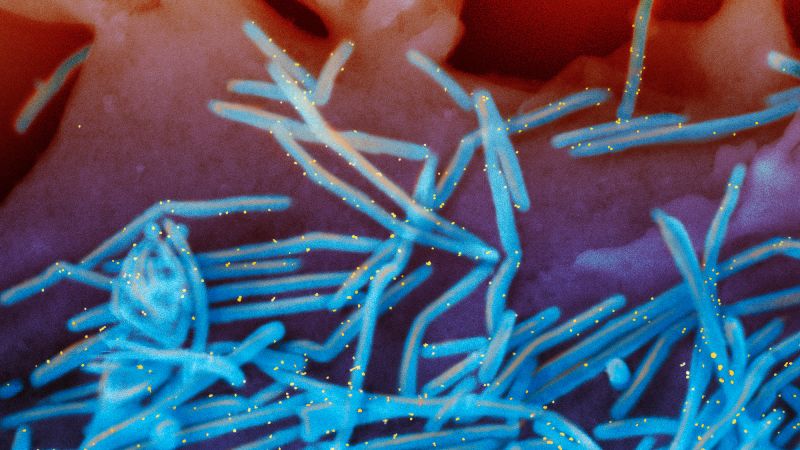
Respiratory syncytial virus is continuing to spread later into the spring than usual, driving most states to extend the window for RSV immunizations for eligible infants and toddlers.
RSV is a common respiratory virus that typically causes a mild illness like a cold. But it can cause serious illness for young children. The RSV season usually starts in the fall, peaks in the winter and continues into spring. Immunization is recommended through the end of March in most states, but this year, nearly all of those states have extended the immunization period through the end of April.
For the third week of March, federal data shows that 7.5% of tests were positive for RSV — significantly higher than the 5% test positivity rate at this time last year and even lower rates from the few years before that.
“RSV peaked later than usual this year, and many areas of the country are continuing to see [emergency department] visits and hospitalizations linger into spring. Given this ongoing transmission, health departments are looking at their local data, and many are recommending that providers continue monoclonal antibody administration into April,” Dr. Susan Kansagra, chief medical officer for the Association of State and Territorial Health Officials, said in an email.
“This is a really important, data-driven recommendation because RSV is the leading cause of infant hospitalization, and monoclonal antibodies can significantly decrease that risk.”
Two to three out of every 100 infants younger than 3 months are hospitalized with RSV in the US every year, according to the US Centers for Disease Control and Prevention. Already this season, tens of thousands of children have been hospitalized with RSV.
To prevent infection in infants and some young children, the American Academy of Pediatrics recommends immunization with monoclonal antibodies. There is also a vaccine available during pregnancy. The antibodies offer more passive immunity than vaccines, but they do offer effective protection: A CDC study published last year found that RSV-associated hospitalization rates among infants up to 7 months old during the 2024-25 season were lower than in previous seasons, when those immunizations weren’t available.
This is only the third season that monoclonal antibodies have been available to protect against RSV. Dr. Michelle Fiscus, a pediatrician and chief medical officer for the Association of Immunization Managers, said she considers these RSV immunizations to be “game-changers” – and she doesn’t use that phrase lightly.
“I’ve waited my 30 years in pediatrics to be able to prevent RSV disease in babies,” she said. “We should be doing everything we can, as pediatricians and as…